Many creators ask how to describe aesthetic without sounding vague or overly technical. The answer lies in turning visual impressions into language that guides design decisions, communicates brand personality, and connects with an audience. This guide walks you through concrete steps, real‑world examples, and a quick checklist so you can transform fleeting feelings into clear, compelling descriptions.
Understand Visual Language

Start by engaging all senses. Look at a product or artwork and note the dominant colors, textures, proportions, and scale. Ask yourself: Is the surface glossy or matte? Does the shape feel organic or geometric? Write down five adjectives that capture these qualities, then refine them into short phrases. For example, “soft, matte teal with a subtle ripple” tells a reader not only the hue but also how light interacts with the surface, giving a vivid mental picture that goes beyond “blue.”
Choose Words With Sensitivity

When the subject involves body image, prioritize language that affirms rather than pigeonholes. Replace blunt terms with respectful alternatives: “larger frame” instead of “overweight,” “full‑bodied silhouette” instead of “plus‑size.” This shift not only shows empathy but also enriches your description, because the way you talk about a body influences how the aesthetic is perceived. Thoughtful phrasing adds depth and signals that you value diversity in visual storytelling.
Balance Detail and Flexibility
Too many specifics can lock a description into a single interpretation, while too little leaves the reader guessing. Aim for a sweet spot: highlight one or two concrete details, then allow room for personal perception. For instance, “The matte teal finish catches light softly” gives a clear anchor, yet invites viewers to imagine how that hue might feel in different contexts. This balance makes your description both precise and open‑ended, encouraging dialogue rather than dictating a single meaning.
Run a Simple Checklist
- Clarity: Does each adjective serve a purpose? Remove any filler words that don’t add value.
- Relevance: Is the detail tied directly to the aesthetic goal you’re communicating?
- Brevity: Can the sentence be trimmed without losing meaning?
- Inclusivity: Does the wording respect diverse perspectives and avoid assumptions?
- Flow: Does the sentence read smoothly, guiding the reader naturally from one idea to the next?
Running through this list before you publish helps you fine‑tune every phrase, ensuring that the final description feels intentional, polished, and ready for an audience.
Test Your Description
Share a draft of your description with a small group of trusted peers or post it in a design forum. Ask specific questions: “Does this language convey the mood you expect?” or “Is there any part that feels unclear?” Use the feedback to iterate, tightening vague terms and amplifying the details that resonate. This iterative loop transforms a good description into a great one, grounding your aesthetic language in real‑world reaction rather than guesswork.
Many creators ask how to describe aesthetic without sounding vague or overly technical. The answer lies in turning visual impressions into language that guides design decisions, communicates brand personality, and connects with an audience. This guide walks you through concrete steps, real‑world examples, and a quick checklist so you can transform fleeting feelings into clear, compelling descriptions.
Understand Visual Language
Start by engaging all senses. Look at a product or artwork and note the dominant colors, textures, proportions, and scale. Ask yourself: Is the surface glossy or matte? Does the shape feel organic or geometric? Write down five adjectives that capture these qualities, then refine them into short phrases. For example, “soft, matte teal with a subtle ripple” tells a reader not only the hue but also how light interacts with the surface, giving a vivid mental picture that goes beyond “blue.”
Choose Words With Sensitivity
When the subject involves body image, prioritize language that affirms rather than pigeonholes. Replace blunt terms with respectful alternatives: “larger frame” instead of “overweight,” “full‑bodied silhouette” instead of “plus‑size.” This shift not only shows empathy but also enriches your description, because the way you talk about a body influences how the aesthetic is perceived. Thoughtful phrasing adds depth and signals that you value diversity in visual storytelling.
Balance Detail and Flexibility
Too many specifics can lock a description into a single interpretation, while too little leaves the reader guessing. Aim for a sweet spot: highlight one or two concrete details, then allow room for personal perception. For instance, “The matte teal finish catches light softly” gives a clear anchor, yet invites viewers to imagine how that hue might feel in different contexts. This balance makes your description both precise and open‑ended, encouraging dialogue rather than dictating a single meaning.
Run a Simple Checklist
- Clarity: Does each adjective serve a purpose? Remove any filler words that don’t add value.
- Relevance: Is the detail tied directly to the aesthetic goal you’re communicating?
- Brevity: Can the sentence be trimmed without losing meaning?
- Inclusivity: Does the wording respect diverse perspectives and avoid assumptions?
- Flow: Does the sentence read smoothly, guiding the reader naturally from one idea to the next?
Running through this list before you publish helps you fine‑tune every phrase, ensuring that the final description feels intentional, polished, and ready for an audience.
Test Your Description
Share a draft of your description with a small group of trusted peers or post it in a design forum. Ask specific questions: “Does this language convey the mood you expect?” or “Is there any part that feels unclear?” Use the feedback to iterate, tightening vague terms and amplifying the details that resonate. This iterative loop transforms a good description into a great one, grounding your aesthetic language in real‑world reaction rather than guesswork.
Adjective Describe Person | 197 Adjectives That Start With B – TLWK
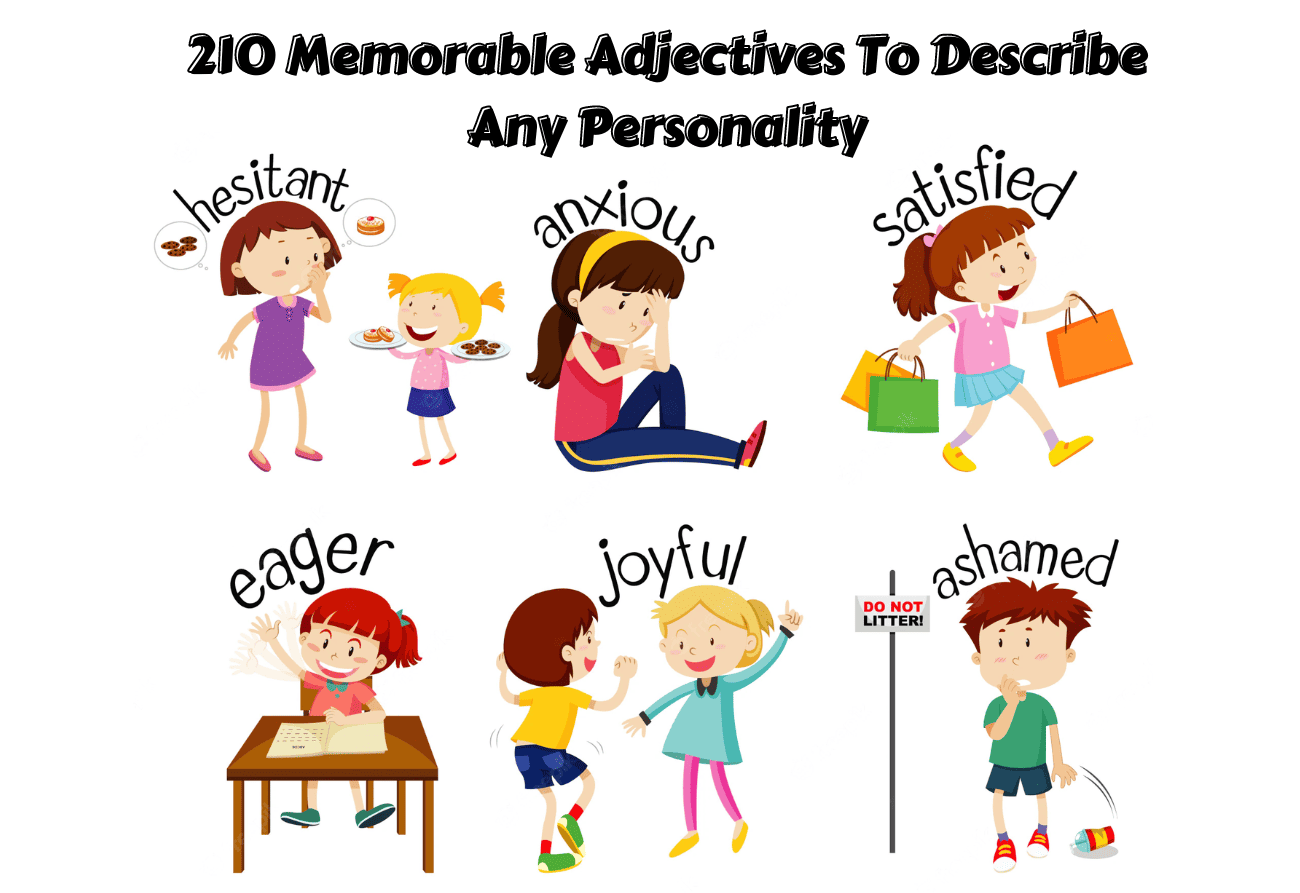
Adjective Describe Person | 197 Adjectives That Start With B – TLWK
List Of Adjectives To Describe A Person | Engelskundervisning

List of adjectives to describe a person | Engelskundervisning
101 Words To Describe Someone : 167 Adjectives To Describe A Person
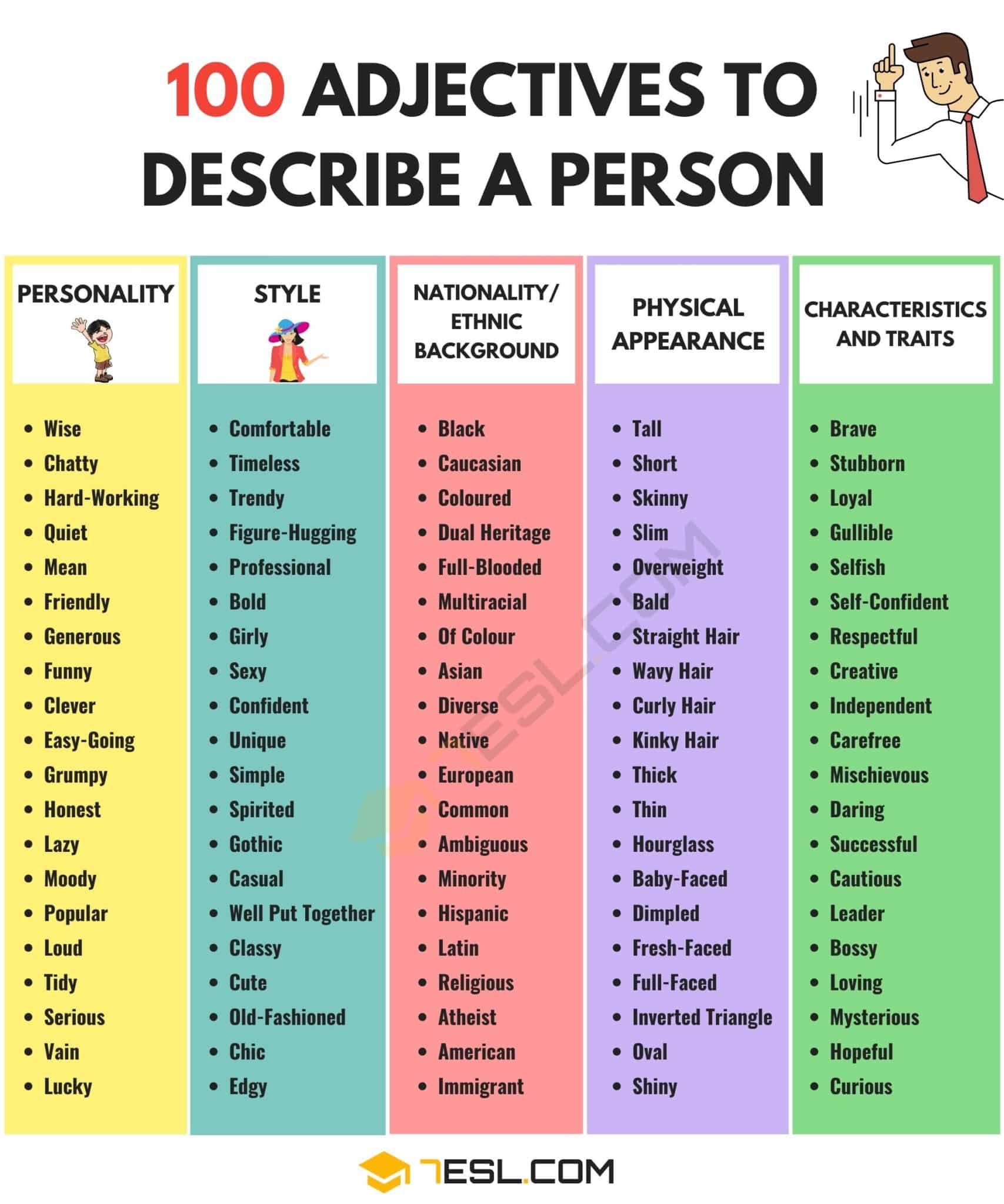
101 Words To Describe Someone : 167 Adjectives To Describe a Person ...