For anyone who studies visual culture or curates digital spaces, grasping an aesthetic definition and examples is essential. An aesthetic is more than a fleeting style; it is a coherent set of visual principles that shape how a composition feels, communicates, and influences perception. This guide breaks down the concept, shows real‑world examples, and offers decision‑making steps for applying aesthetics to your projects.
What Constitutes an Aesthetic?
An aesthetic emerges from a repeatable palette of colors, textures, patterns, and mood cues that together create a recognizable “look and feel.” It often reflects cultural trends, personal taste, or functional goals. Key components include:
- Color scheme – harmonized hues that evoke emotion (e.g., muted greens for calmness).
- Visual motifs – recurring icons or shapes such as floral patterns or geometric lines.
- Texture and depth – the presence of smooth gradients versus gritty grain.
- Contextual narrative – the story or lifestyle the aesthetic suggests, like “cozy cottage” or “digital futurism.”
Green Aesthetic: Calm Meets Modernity
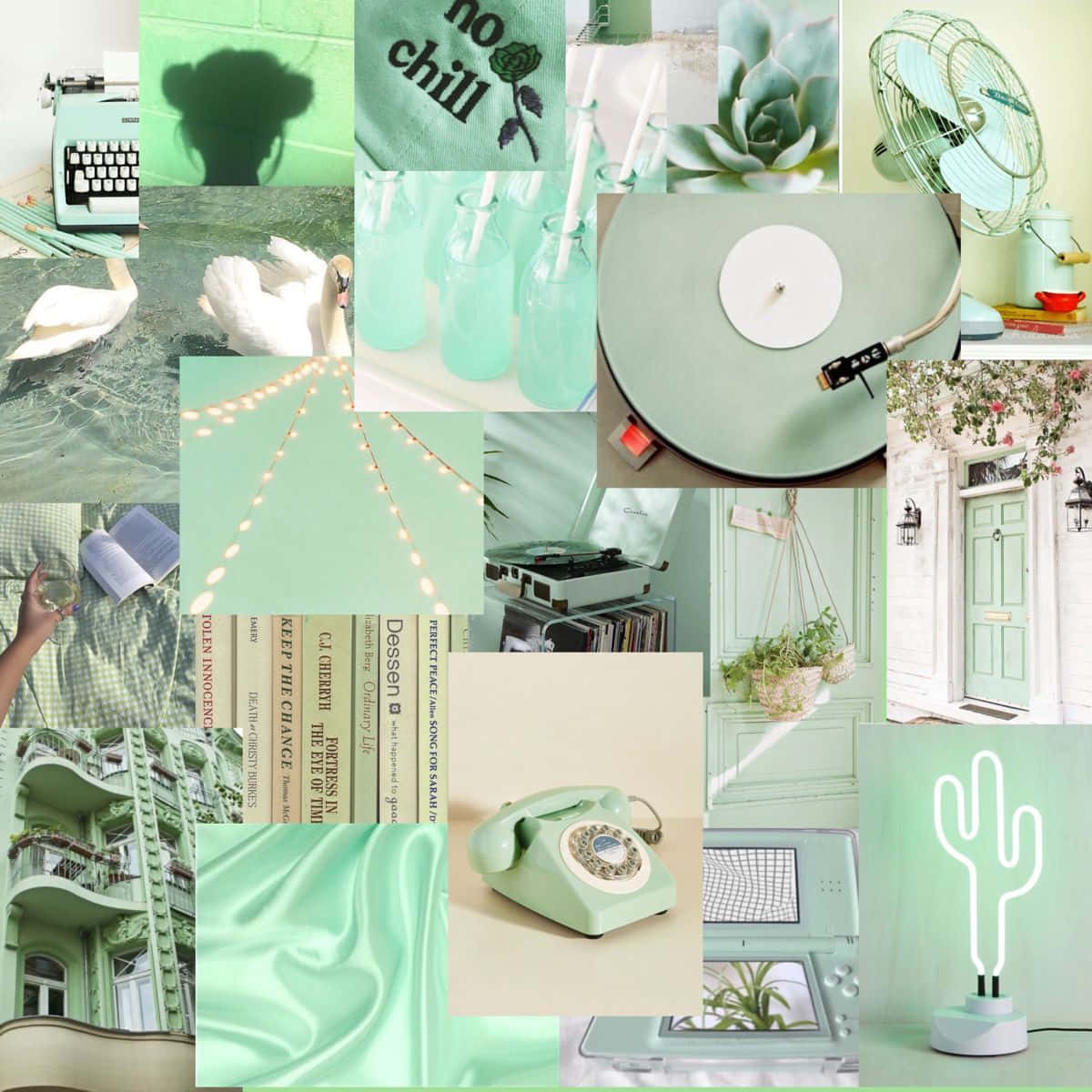
The green aesthetic relies on earthy tones, natural textures, and a sense of renewal. In interior design, muted sage walls paired with wooden furnishings create a sanctuary vibe. In user interfaces, a green‑dominant palette signals sustainability and calm, guiding users toward relaxed engagement. When evaluating a green aesthetic, ask whether the project benefits from a tranquil, nature‑linked identity.
Pastel Pink Aesthetic: Softness and Playfulness

Pastel pink combines light rose hues with delicate floral or cloud motifs. It is popular in stationery, boutique branding, and lifestyle blogs that seek a whimsical, approachable tone. The subtle contrast of pink against white space boosts readability while maintaining a friendly atmosphere. Deploy this aesthetic when the brand narrative calls for femininity, optimism, or a vintage‑soft feel.
Choosing the Right Aesthetic for Your Project
- Identify the core emotion you want to evoke—calm, excitement, nostalgia, etc.
- Match the emotion to a color family and supporting motifs (e.g., green for sustainability, pink for playfulness).
- Test the palette in low‑fidelity mockups to ensure readability and visual harmony.
- Gather feedback from the target audience; aesthetic perception can vary across demographics.
- Finalize with high‑resolution assets that maintain consistency across all touchpoints.
Practical Examples Across Mediums
In a website redesign, a green aesthetic might be applied to the header, navigation buttons, and call‑to‑action backgrounds, reinforcing an eco‑friendly brand story. Conversely, a pastel pink aesthetic could dominate a lifestyle blog’s hero image, social media graphics, and product packaging, creating a cohesive visual identity that attracts a younger, trend‑savvy readership.
Evaluating Aesthetic Success
After implementation, measure effectiveness through quantitative and qualitative lenses. Analytics such as bounce rate, time on page, and conversion metrics reveal whether the visual style supports user goals. Meanwhile, surveys or focus groups capture subjective reactions—do users describe the experience as “soothing” (green) or “charming” (pink)? Combining these insights informs iterative refinements and ensures the aesthetic serves its intended purpose.
For anyone who studies visual culture or curates digital spaces, grasping an aesthetic definition and examples is essential. An aesthetic is more than a fleeting style; it is a coherent set of visual principles that shape how a composition feels, communicates, and influences perception. This guide breaks down the concept, shows real‑world examples, and offers decision‑making steps for applying aesthetics to your projects.
What Constitutes an Aesthetic?
An aesthetic emerges from a repeatable palette of colors, textures, patterns, and mood cues that together create a recognizable “look and feel.” It often reflects cultural trends, personal taste, or functional goals. Key components include:
- Color scheme – harmonized hues that evoke emotion (e.g., muted greens for calmness).
- Visual motifs – recurring icons or shapes such as floral patterns or geometric lines.
- Texture and depth – the presence of smooth gradients versus gritty grain.
- Contextual narrative – the story or lifestyle the aesthetic suggests, like “cozy cottage” or “digital futurism.”
Green Aesthetic: Calm Meets Modernity
The green aesthetic relies on earthy tones, natural textures, and a sense of renewal. In interior design, muted sage walls paired with wooden furnishings create a sanctuary vibe. In user interfaces, a green‑dominant palette signals sustainability and calm, guiding users toward relaxed engagement. When evaluating a green aesthetic, ask whether the project benefits from a tranquil, nature‑linked identity.
Pastel Pink Aesthetic: Softness and Playfulness
Pastel pink combines light rose hues with delicate floral or cloud motifs. It is popular in stationery, boutique branding, and lifestyle blogs that seek a whimsical, approachable tone. The subtle contrast of pink against white space boosts readability while maintaining a friendly atmosphere. Deploy this aesthetic when the brand narrative calls for femininity, optimism, or a vintage‑soft feel.
Choosing the Right Aesthetic for Your Project
- Identify the core emotion you want to evoke—calm, excitement, nostalgia, etc.
- Match the emotion to a color family and supporting motifs (e.g., green for sustainability, pink for playfulness).
- Test the palette in low‑fidelity mockups to ensure readability and visual harmony.
- Gather feedback from the target audience; aesthetic perception can vary across demographics.
- Finalize with high‑resolution assets that maintain consistency across all touchpoints.
Practical Examples Across Mediums
In a website redesign, a green aesthetic might be applied to the header, navigation buttons, and call‑to‑action backgrounds, reinforcing an eco‑friendly brand story. Conversely, a pastel pink aesthetic could dominate a lifestyle blog’s hero image, social media graphics, and product packaging, creating a cohesive visual identity that attracts a younger, trend‑savvy readership.
Evaluating Aesthetic Success
After implementation, measure effectiveness through quantitative and qualitative lenses. Analytics such as bounce rate, time on page, and conversion metrics reveal whether the visual style supports user goals. Meanwhile, surveys or focus groups capture subjective reactions—do users describe the experience as “soothing” (green) or “charming” (pink)? Combining these insights informs iterative refinements and ensures the aesthetic serves its intended purpose.
25 Super Gorgeous Hippie Apartment Aesthetic Ideas You Should Try

25 Super Gorgeous Hippie Apartment Aesthetic Ideas You Should Try ...
Aesthetic Anime Pfp Guy Cute Anime Pfp Wallpapers Posted By Michelle

Aesthetic Anime Pfp Guy Cute Anime Pfp Wallpapers Posted By Michelle ...
Download Blue Vintage Aesthetic IPad Wallpaper | Wallpapers.com
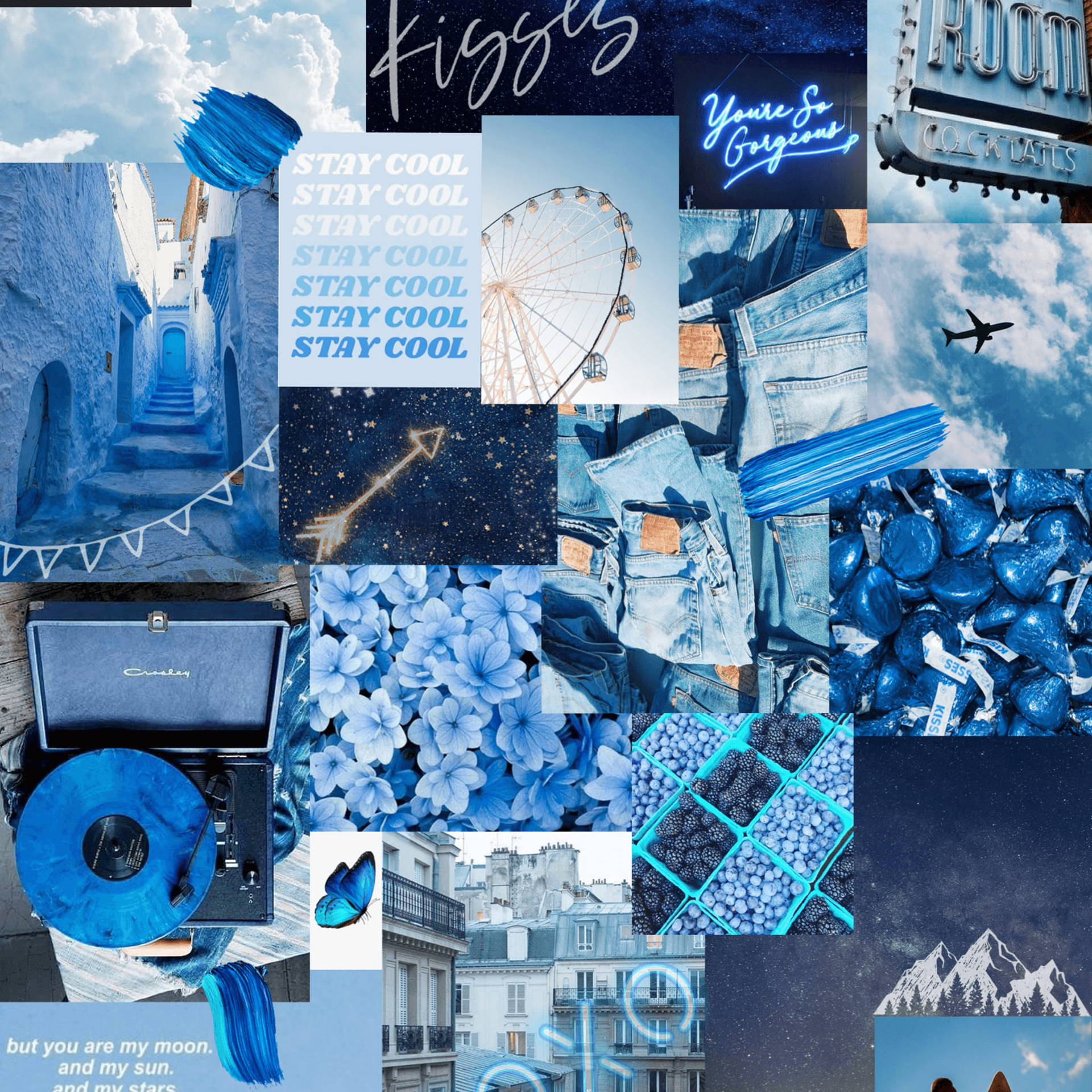
Download Blue Vintage Aesthetic iPad Wallpaper | Wallpapers.com