When a gallery visitor feels an instant connection to a painting, it’s often the result of well‑crafted aesthetics in art definition and examples at work. Recognizing the visual language that underpins beauty, harmony, and impact can turn casual appreciation into informed critique. This guide walks you through real‑world scenarios, showcases representative works, and offers criteria for selecting pieces that resonate with contemporary taste.
Scenario: Curating a Modern Office Space

In an open‑plan office, the goal is to inspire creativity without overwhelming the eye. A large abstract canvas that balances bold hues with ample negative space offers a visual pause point. The work’s aesthetic choices—clean lines, limited palette, and rhythmic repetition—serve as a case study in how subtle harmony can elevate a professional environment while staying on brand.
Scenario: Selecting Artwork for a Boutique Hotel Lobby

Guests expect an immersive experience from the moment they step inside. A high‑resolution landscape photograph that captures natural proportion, tonal harmony, and depth can anchor the lobby’s design narrative. By aligning the image’s aesthetic attributes with the hotel’s color scheme and architectural lines, the piece becomes both décor and storytelling device.
Understanding Core Aesthetic Elements
Beyond individual works, certain visual principles consistently shape what we call “aesthetic.” These include:
- Balance – symmetrical or asymmetrical distribution of visual weight.
- Contrast – differences in color, texture, or scale that draw focus. Harmony – cohesive color schemes and repeated motifs that create unity.
- Rhythm – patterns that guide the eye across the composition.
- Scale and Proportion – relational size that affects perception of importance.
When evaluating a piece, ask which of these elements dominate and how they serve the intended mood or message.
Choosing Art for Personal Spaces: A Practical Checklist
Whether furnishing a living room or a studio, follow these steps to align the piece with your aesthetic goals:
- Define the emotional tone you want—calm, energizing, contemplative.
- Match the dominant color palette of the room with the artwork’s scheme.
- Assess the scale: a large canvas fills a void; a smaller work adds accent.
- Consider the style lineage—minimalist, expressionist, or classical—to ensure cultural coherence.
- Test visual flow by placing a digital mockup before purchase.
Future‑Facing Trends: When Classic Aesthetic Meets Digital Innovation
Emerging collectors are blending timeless aesthetic principles with new media. Generative art platforms now allow creators to program balance, contrast, and rhythm algorithmically, producing works that evolve in real time. This hybrid approach expands the definition of aesthetics in art, offering collectors adaptable pieces that respond to ambient light or viewer movement—an intersection of tradition and technology that will shape galleries and private collections alike.
When a gallery visitor feels an instant connection to a painting, it’s often the result of well‑crafted aesthetics in art definition and examples at work. Recognizing the visual language that underpins beauty, harmony, and impact can turn casual appreciation into informed critique. This guide walks you through real‑world scenarios, showcases representative works, and offers criteria for selecting pieces that resonate with contemporary taste.
Scenario: Curating a Modern Office Space
In an open‑plan office, the goal is to inspire creativity without overwhelming the eye. A large abstract canvas that balances bold hues with ample negative space offers a visual pause point. The work’s aesthetic choices—clean lines, limited palette, and rhythmic repetition—serve as a case study in how subtle harmony can elevate a professional environment while staying on brand.
Scenario: Selecting Artwork for a Boutique Hotel Lobby
Guests expect an immersive experience from the moment they step inside. A high‑resolution landscape photograph that captures natural proportion, tonal harmony, and depth can anchor the lobby’s design narrative. By aligning the image’s aesthetic attributes with the hotel’s color scheme and architectural lines, the piece becomes both décor and storytelling device.
Understanding Core Aesthetic Elements
Beyond individual works, certain visual principles consistently shape what we call “aesthetic.” These include:
- Balance – symmetrical or asymmetrical distribution of visual weight.
- Contrast – differences in color, texture, or scale that draw focus. Harmony – cohesive color schemes and repeated motifs that create unity.
- Rhythm – patterns that guide the eye across the composition.
- Scale and Proportion – relational size that affects perception of importance.
When evaluating a piece, ask which of these elements dominate and how they serve the intended mood or message.
Choosing Art for Personal Spaces: A Practical Checklist
Whether furnishing a living room or a studio, follow these steps to align the piece with your aesthetic goals:
- Define the emotional tone you want—calm, energizing, contemplative.
- Match the dominant color palette of the room with the artwork’s scheme.
- Assess the scale: a large canvas fills a void; a smaller work adds accent.
- Consider the style lineage—minimalist, expressionist, or classical—to ensure cultural coherence.
- Test visual flow by placing a digital mockup before purchase.
Future‑Facing Trends: When Classic Aesthetic Meets Digital Innovation
Emerging collectors are blending timeless aesthetic principles with new media. Generative art platforms now allow creators to program balance, contrast, and rhythm algorithmically, producing works that evolve in real time. This hybrid approach expands the definition of aesthetics in art, offering collectors adaptable pieces that respond to ambient light or viewer movement—an intersection of tradition and technology that will shape galleries and private collections alike.
What Is The Most Attractive Aesthetic

What Is The Most Attractive Aesthetic
List Of Aesthetic Outfits At Lorenzo Marrs Blog
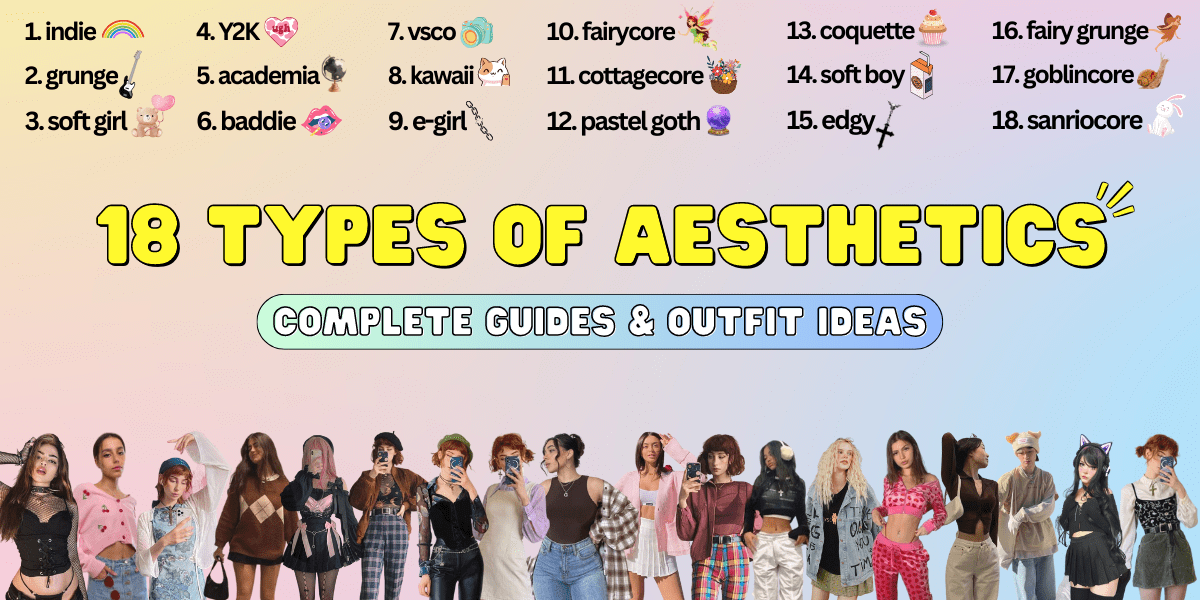
List Of Aesthetic Outfits at Lorenzo Marrs blog
24 Different Types Of Aesthetics Explained – Artofit

24 different types of aesthetics explained – Artofit