Pronouncing "aesthetic" correctly can be surprisingly difficult given how frequently the word appears in conversations about design, fashion, and social media. While its meaning—relating to beauty or art—is widely understood, its phonetic roots often trip up even fluent speakers. Mastering this word ensures you sound professional whether you are discussing interior design or critiquing a piece of art.
Decoding the First Vowel Sound
The confusion usually begins immediately with the first two letters, "ae." In English, this ligature often transforms from a distinct two-sound vowel into a single, simpler sound. You might see people attempt to pronounce the "a" and "e" separately, saying "ay-esthetic," which is incorrect.
Consider the word "best" or "rest." The vowel sound in "aesthetic" is very similar to that short 'e' sound. In American English, it frequently shifts even further to sound like a short 'i', as in "is," making the word sound like "uz-thet-ic" or "ess-thet-ic."
To sound natural to a US audience, you should avoid over-articulating the "ae." Treat it as a schwa sound or a short 'e'. Aim for a fluid start like "ess" or "as" rather than "ay."
Mastering the Syllable Stress
Placing the emphasis on the wrong part of the word is a common error that can make your speech feel jarring to native listeners. Many speakers unknowingly stress the first syllable, saying "AES-thet-ic," which sounds unnatural and robotic.
Look at similar words ending in "-ic" like "fan-tas-tic" or "dra-mat-ic." Notice how the energy always lands on the second-to-last syllable. This rule applies here as well. The word is broken down as aes-thet-ic, but the "aes" is quiet.
You should always place the primary stress on the second syllable. Say it as "ess-THET-ik." By punching the "thet" and softening the ending, you will mirror the rhythm of standard American pronunciation.
Softening the "TH" Sound
A subtle but important detail involves the consonant blend "th" found in the middle of the word. In some dialects or casual speech, this hardens, sounding more like a 't' or a 'd'. While this can happen in very rapid colloquial speech, it is not the standard form you want to use in professional settings.
Think about the word "the" or "that." The "th" in aesthetic is the voiced version of this sound, where your vocal cords vibrate. Place your tongue between your teeth and hum slightly to ensure you aren't producing a sharp 't' sound.
To refine your accent, practice the middle syllable in isolation. Repeat "thet" slowly, ensuring the air flows past your tongue rather than stopping abruptly like a 't'. This guarantees the word sounds smooth and educated.
Practical Phrases for Practice
Understanding the mechanics is the first step, but applying the word in context is where it truly sticks. Using the word in full sentences helps bridge the gap between knowing the theory and speaking naturally in real-time.
Try saying these sentences out loud: "The aesthetic of this room is very modern," or "She has a unique aesthetic when it comes to photography." Notice how the word flows into the next word; you don't need to pause before or after it.
Incorporate this word into your daily vocabulary for a week to build muscle memory. Whether you are complimenting a friend's style or describing a building, focusing on the "ess-THET-ik" rhythm will quickly make the pronunciation feel automatic.
Pronouncing "aesthetic" correctly can be surprisingly difficult given how frequently the word appears in conversations about design, fashion, and social media. While its meaning—relating to beauty or art—is widely understood, its phonetic roots often trip up even fluent speakers. Mastering this word ensures you sound professional whether you are discussing interior design or critiquing a piece of art.
Decoding the First Vowel Sound
The confusion usually begins immediately with the first two letters, "ae." In English, this ligature often transforms from a distinct two-sound vowel into a single, simpler sound. You might see people attempt to pronounce the "a" and "e" separately, saying "ay-esthetic," which is incorrect.
Consider the word "best" or "rest." The vowel sound in "aesthetic" is very similar to that short 'e' sound. In American English, it frequently shifts even further to sound like a short 'i', as in "is," making the word sound like "uz-thet-ic" or "ess-thet-ic."
To sound natural to a US audience, you should avoid over-articulating the "ae." Treat it as a schwa sound or a short 'e'. Aim for a fluid start like "ess" or "as" rather than "ay."
Mastering the Syllable Stress
Placing the emphasis on the wrong part of the word is a common error that can make your speech feel jarring to native listeners. Many speakers unknowingly stress the first syllable, saying "AES-thet-ic," which sounds unnatural and robotic.
Look at similar words ending in "-ic" like "fan-tas-tic" or "dra-mat-ic." Notice how the energy always lands on the second-to-last syllable. This rule applies here as well. The word is broken down as aes-thet-ic, but the "aes" is quiet.
You should always place the primary stress on the second syllable. Say it as "ess-THET-ik." By punching the "thet" and softening the ending, you will mirror the rhythm of standard American pronunciation.
Softening the "TH" Sound
A subtle but important detail involves the consonant blend "th" found in the middle of the word. In some dialects or casual speech, this hardens, sounding more like a 't' or a 'd'. While this can happen in very rapid colloquial speech, it is not the standard form you want to use in professional settings.
Think about the word "the" or "that." The "th" in aesthetic is the voiced version of this sound, where your vocal cords vibrate. Place your tongue between your teeth and hum slightly to ensure you aren't producing a sharp 't' sound.
To refine your accent, practice the middle syllable in isolation. Repeat "thet" slowly, ensuring the air flows past your tongue rather than stopping abruptly like a 't'. This guarantees the word sounds smooth and educated.
Practical Phrases for Practice
Understanding the mechanics is the first step, but applying the word in context is where it truly sticks. Using the word in full sentences helps bridge the gap between knowing the theory and speaking naturally in real-time.
Try saying these sentences out loud: "The aesthetic of this room is very modern," or "She has a unique aesthetic when it comes to photography." Notice how the word flows into the next word; you don't need to pause before or after it.
Incorporate this word into your daily vocabulary for a week to build muscle memory. Whether you are complimenting a friend's style or describing a building, focusing on the "ess-THET-ik" rhythm will quickly make the pronunciation feel automatic.
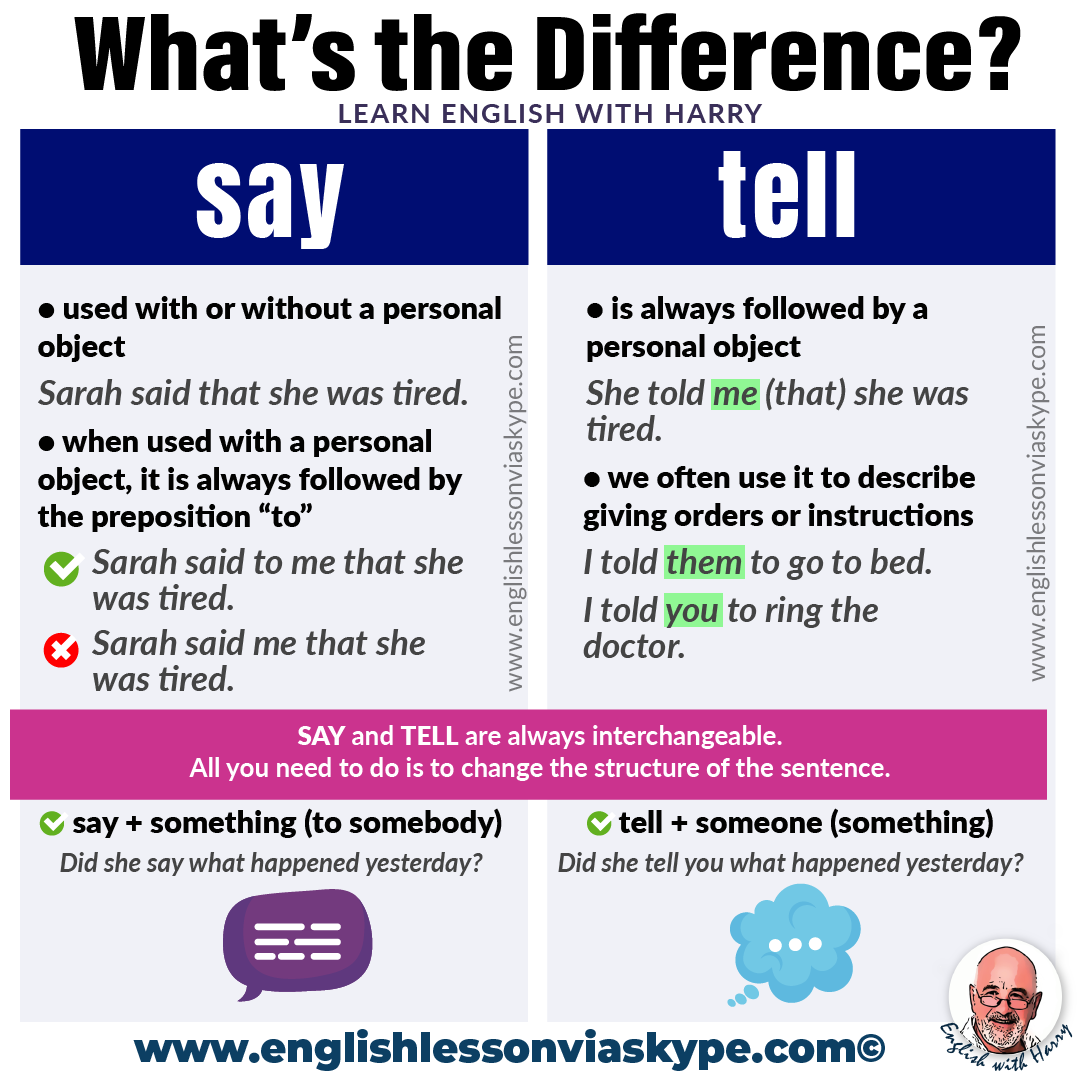
Diferencia Entre Said Y Told En Inglés. Diferenciando – UXDNYH

Diferencia Entre Said Y Told En Inglés. Diferenciando – UXDNYH
"They Say / I Say"

"They Say / I Say"
The Ultimate Guide: How To Say "Shrimp" In Spanish - Everything You

The Ultimate Guide: How to Say "Shrimp" in Spanish - Everything You ...
Do They Say Y All In Arizona At Rita Pablo Blog

Do They Say Y All In Arizona at Rita Pablo blog
Say Please And Thank You Clipart
Say Please And Thank You Clipart