When you stare at a sunrise, a vintage café, or a sleek smartphone, you instinctively sense a mood. Translating that feeling into language is what makes an aesthetic truly communicable. Below, you’ll discover practical ways to select the right words, see them in action across everyday scenarios, and build a personal “vocabulary toolbox” that feels as curated as your favorite Instagram feed.
Start with the Right Vocabulary – Why Word Choice Shapes Perception

Words are the first brushstrokes on the canvas of imagination. A single adjective can turn a plain living room into a “cozy nook” or a bustling street into a “vibrant thoroughfare.” For beginners, the trick is to focus on clarity and emotional resonance rather than piling on obscure terms. Think of each word as a filter: it sharpens, softens, or recolors the scene you’re describing.
Core Vocabulary: 15 Go‑to Words to Capture Mood
Memorize this short list and you’ll have a ready‑made palette for most projects.
- Minimalist – clean, spare, uncluttered.
- Rustic – weathered, earthy, handcrafted.
- Opulent – lavish, richly detailed, luxurious.
- Whimsical – playful, fanciful, unexpected.
- Sleek – smooth, streamlined, modern.
- Vintage – nostalgic, retro, time‑worn.
- Gritty – raw, unpolished, urban.
- Airy – light, breezy, spacious.
- Monochrome – single‑color, tonal, limited palette.
- Eclectic – diverse, mixed‑style, unconventional.
- Serene – calm, tranquil, soothing.
- Bohemian – free‑spirited, artistic, layered.
- Industrial – metal, concrete, utilitarian.
- Glamorous – dazzling, chic, high‑end.
- Organic – natural, flowing, unrefined.
Match Words to Media – From Social Posts to Interior Plans
Different platforms demand different levels of detail. On Instagram, a single hashtag like #minimalist instantly signals the vibe, while a design brief for a client may require a full description: “We’re aiming for a sleek, monochrome kitchen with subtle industrial accents.” Below are three quick scenarios.
- Instagram caption – Choose two adjectives and a hashtag. Example: “Morning light spilling over a rustic table. #cozy #vintage.”
- Blog post intro – Combine a mood word with sensory details. Example: “The airy loft feels like a breath of spring, with pale walls and soft, natural light.”
- Interior design proposal – Pair a primary aesthetic with supporting descriptors. Example: “A minimalist living room anchored by an opulent marble coffee table, creating a balanced sense of calm and luxury.”
Quick Checklist – Ensure Consistency Across Your Narrative
- Is the chosen word aligned with the visual elements?
- Does it evoke the intended emotion in the target audience?
- Have you avoided contradictory descriptors (e.g., “minimalist” and “opulent” together)?
- Is the term familiar enough for a beginner yet specific enough to add depth?
Expand Your Palette – Practice Tools and Resources

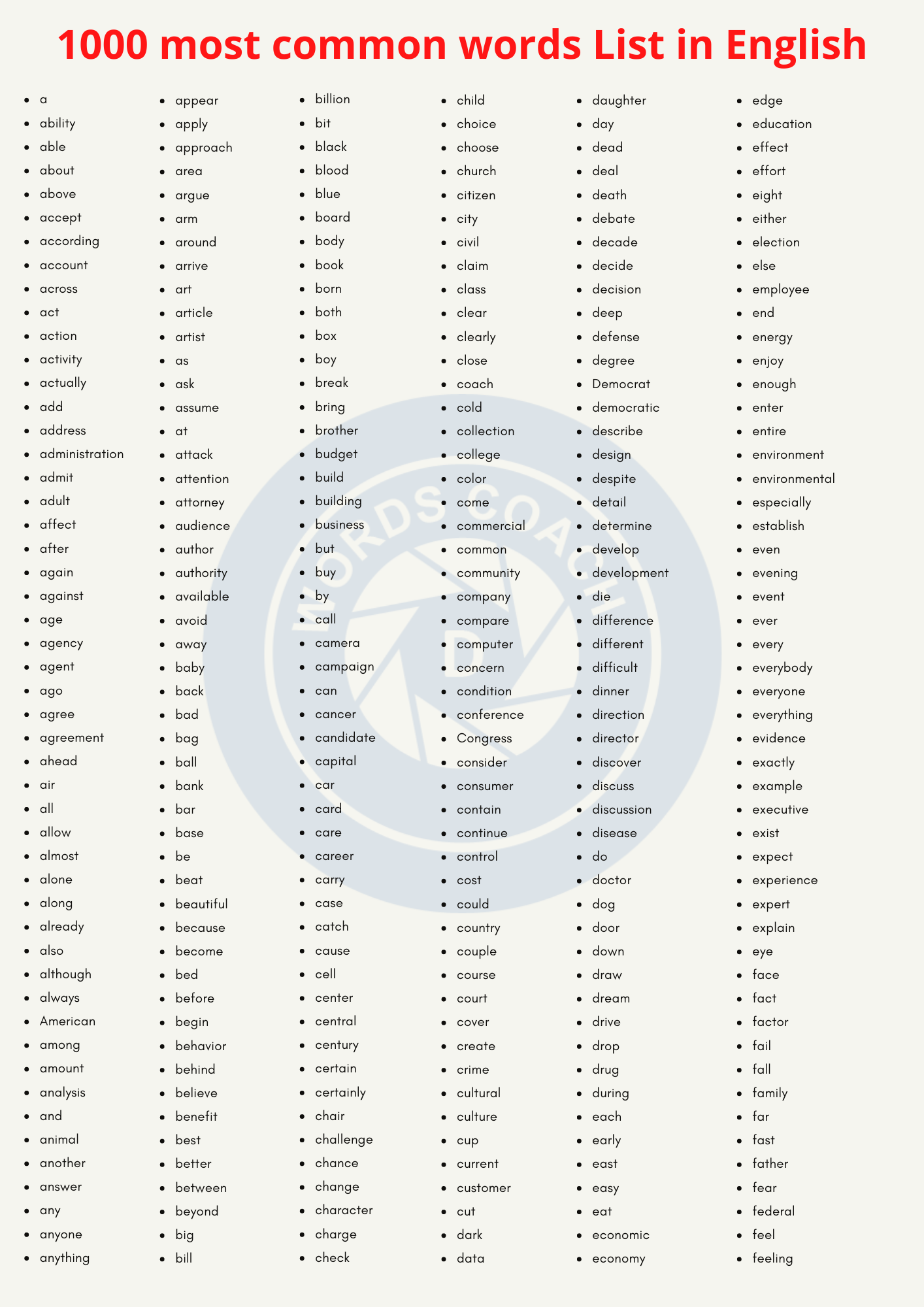
Just as a painter studies color theory, a writer can sharpen aesthetic vocabulary with short exercises. Use sentence‑building worksheets (like the one pictured) to pair each word with a concrete object: “The café’s décor is whimsical, with mismatched chairs and hand‑drawn murals.” Over time, you’ll notice patterns—certain words gravitate toward specific settings, helping you choose faster and write more confidently.
When you stare at a sunrise, a vintage café, or a sleek smartphone, you instinctively sense a mood. Translating that feeling into language is what makes an aesthetic truly communicable. Below, you’ll discover practical ways to select the right words, see them in action across everyday scenarios, and build a personal “vocabulary toolbox” that feels as curated as your favorite Instagram feed.
Start with the Right Vocabulary – Why Word Choice Shapes Perception
Words are the first brushstrokes on the canvas of imagination. A single adjective can turn a plain living room into a “cozy nook” or a bustling street into a “vibrant thoroughfare.” For beginners, the trick is to focus on clarity and emotional resonance rather than piling on obscure terms. Think of each word as a filter: it sharpens, softens, or recolors the scene you’re describing.
Core Vocabulary: 15 Go‑to Words to Capture Mood
Memorize this short list and you’ll have a ready‑made palette for most projects.
- Minimalist – clean, spare, uncluttered.
- Rustic – weathered, earthy, handcrafted.
- Opulent – lavish, richly detailed, luxurious.
- Whimsical – playful, fanciful, unexpected.
- Sleek – smooth, streamlined, modern.
- Vintage – nostalgic, retro, time‑worn.
- Gritty – raw, unpolished, urban.
- Airy – light, breezy, spacious.
- Monochrome – single‑color, tonal, limited palette.
- Eclectic – diverse, mixed‑style, unconventional.
- Serene – calm, tranquil, soothing.
- Bohemian – free‑spirited, artistic, layered.
- Industrial – metal, concrete, utilitarian.
- Glamorous – dazzling, chic, high‑end.
- Organic – natural, flowing, unrefined.
Match Words to Media – From Social Posts to Interior Plans
Different platforms demand different levels of detail. On Instagram, a single hashtag like #minimalist instantly signals the vibe, while a design brief for a client may require a full description: “We’re aiming for a sleek, monochrome kitchen with subtle industrial accents.” Below are three quick scenarios.
- Instagram caption – Choose two adjectives and a hashtag. Example: “Morning light spilling over a rustic table. #cozy #vintage.”
- Blog post intro – Combine a mood word with sensory details. Example: “The airy loft feels like a breath of spring, with pale walls and soft, natural light.”
- Interior design proposal – Pair a primary aesthetic with supporting descriptors. Example: “A minimalist living room anchored by an opulent marble coffee table, creating a balanced sense of calm and luxury.”
Quick Checklist – Ensure Consistency Across Your Narrative
- Is the chosen word aligned with the visual elements?
- Does it evoke the intended emotion in the target audience?
- Have you avoided contradictory descriptors (e.g., “minimalist” and “opulent” together)?
- Is the term familiar enough for a beginner yet specific enough to add depth?
Expand Your Palette – Practice Tools and Resources
Just as a painter studies color theory, a writer can sharpen aesthetic vocabulary with short exercises. Use sentence‑building worksheets (like the one pictured) to pair each word with a concrete object: “The café’s décor is whimsical, with mismatched chairs and hand‑drawn murals.” Over time, you’ll notice patterns—certain words gravitate toward specific settings, helping you choose faster and write more confidently.
1000+ Most Common Words In English From A-Z • 7ESL

1000+ Most Common Words in English from A-Z • 7ESL
Sight Words For Kids Learning At Home

Sight Words For Kids Learning At Home
The Word Most
The Word Most