When you need to convey the look and feel of a product, space, or style quickly, mastering how to describe aesthetics is essential. A clear, concise description saves time, guides decision‑making, and helps teammates visualize the outcome without endless back‑and‑forth. Below are real‑world scenarios and selection criteria you can apply today.
Choosing the Right Vocabulary for Visual Briefs
In design meetings, the most common bottleneck is vague language like “nice” or “cool.” Replace those placeholders with precise adjectives that pinpoint texture, color, and vibe. For instance, “satin‑smooth, muted teal, with a subtle metallic sheen” tells a printer exactly what to aim for, cutting revisions in half.
Describing Aesthetic Themes in Interior Projects

When a client requests a “modern yet cozy” living room, break down the request into concrete terms: clean lines, brushed‑nickel fixtures, warm walnut flooring, and soft, earth‑tone upholstery. This approach aligns expectations and provides a checklist for contractors.
Brand Messaging: Translating Aesthetic Traits into Copy
Marketing copy must echo the visual identity of a brand. If a luxury skincare line feels “refined and luminous,” choose adjectives that mirror those qualities—elegant, radiant, silky, and pristine. Pair each word with a brief sensory cue (e.g., “silky texture reminiscent of freshly spun silk”) to create a cohesive narrative across ads, packaging, and social media.
Rapid Evaluation: A 5‑Point Aesthetic Checklist
- Texture: smooth, gritty, plush, matte, glossy.
- Color Palette: muted, vibrant, pastel, monochrome, complementary.
- Form: angular, organic, minimalist, ornate.
- Lighting: bright, diffused, dramatic, soft.
- Mood: tranquil, energetic, nostalgic, futuristic.
Run through this list during a quick review. If three or more items match the project brief, you’re likely on target; if not, refine your descriptive language before proceeding.
Using Visual References Effectively
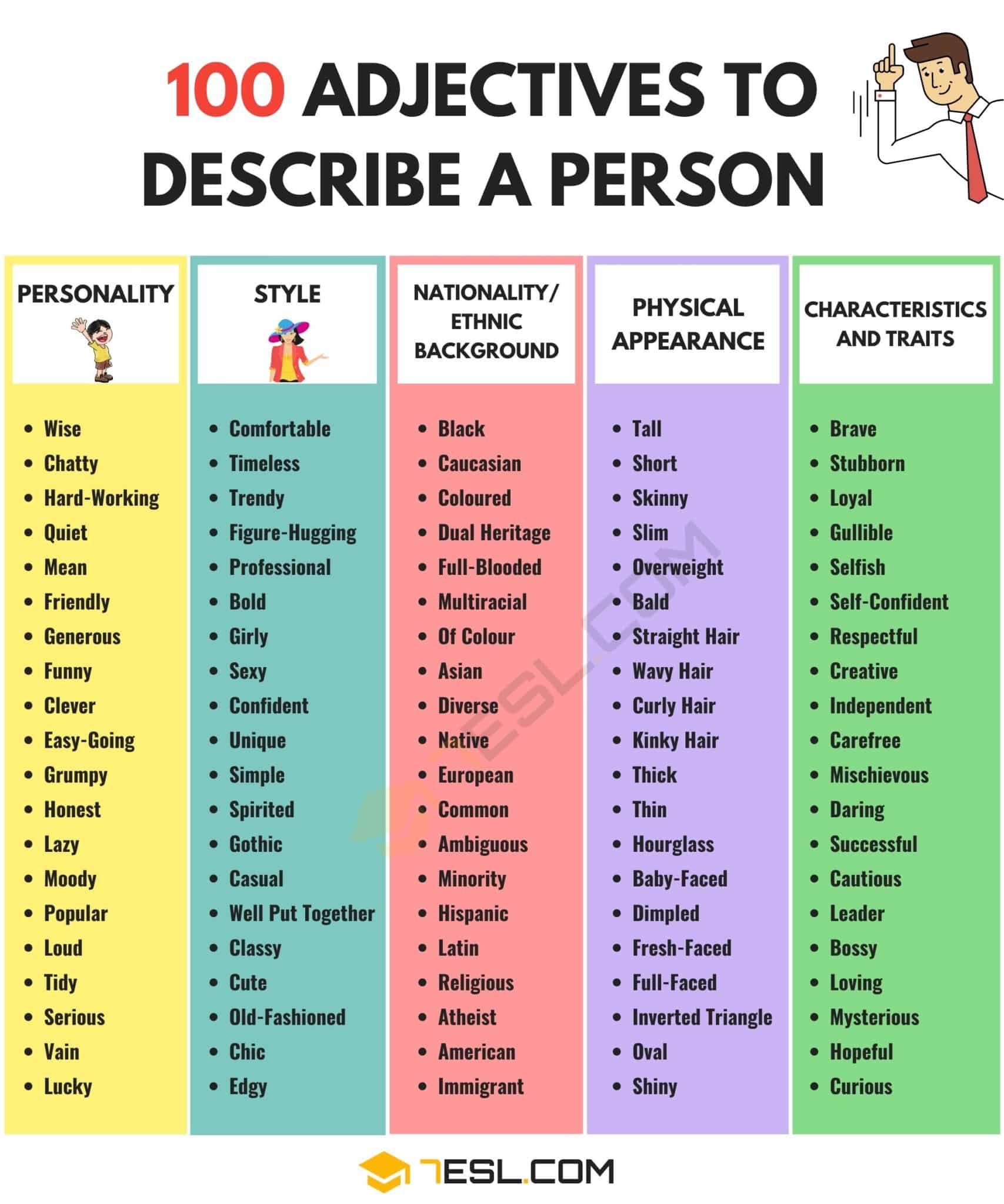
Attach an image like the one above when presenting a mood board. The annotated adjectives serve as a shared lexicon, accelerating consensus among designers, stakeholders, and clients who may speak different design languages.
Practical Next Steps for Busy Readers
- Create a personal adjective library of 20–30 words that best match your industry’s visual language.
- Integrate the 5‑point checklist into every project kickoff meeting.
- When drafting briefs, substitute generic phrasing with at least two specific adjectives from your library.
- Pair each adjective with a short visual cue—either a reference image or a quick sketch.
- Review the final deliverable against the checklist; if any point is missing, request a targeted revision.
By embedding these habits into your workflow, you’ll turn vague impressions into actionable, descriptive guidance, keeping projects on schedule and stakeholders aligned.
When you need to convey the look and feel of a product, space, or style quickly, mastering how to describe aesthetics is essential. A clear, concise description saves time, guides decision‑making, and helps teammates visualize the outcome without endless back‑and‑forth. Below are real‑world scenarios and selection criteria you can apply today.
Choosing the Right Vocabulary for Visual Briefs
In design meetings, the most common bottleneck is vague language like “nice” or “cool.” Replace those placeholders with precise adjectives that pinpoint texture, color, and vibe. For instance, “satin‑smooth, muted teal, with a subtle metallic sheen” tells a printer exactly what to aim for, cutting revisions in half.
Describing Aesthetic Themes in Interior Projects
When a client requests a “modern yet cozy” living room, break down the request into concrete terms: clean lines, brushed‑nickel fixtures, warm walnut flooring, and soft, earth‑tone upholstery. This approach aligns expectations and provides a checklist for contractors.
Brand Messaging: Translating Aesthetic Traits into Copy
Marketing copy must echo the visual identity of a brand. If a luxury skincare line feels “refined and luminous,” choose adjectives that mirror those qualities—elegant, radiant, silky, and pristine. Pair each word with a brief sensory cue (e.g., “silky texture reminiscent of freshly spun silk”) to create a cohesive narrative across ads, packaging, and social media.
Rapid Evaluation: A 5‑Point Aesthetic Checklist
- Texture: smooth, gritty, plush, matte, glossy.
- Color Palette: muted, vibrant, pastel, monochrome, complementary.
- Form: angular, organic, minimalist, ornate.
- Lighting: bright, diffused, dramatic, soft.
- Mood: tranquil, energetic, nostalgic, futuristic.
Run through this list during a quick review. If three or more items match the project brief, you’re likely on target; if not, refine your descriptive language before proceeding.
Using Visual References Effectively
Attach an image like the one above when presenting a mood board. The annotated adjectives serve as a shared lexicon, accelerating consensus among designers, stakeholders, and clients who may speak different design languages.
Practical Next Steps for Busy Readers
- Create a personal adjective library of 20–30 words that best match your industry’s visual language.
- Integrate the 5‑point checklist into every project kickoff meeting.
- When drafting briefs, substitute generic phrasing with at least two specific adjectives from your library.
- Pair each adjective with a short visual cue—either a reference image or a quick sketch.
- Review the final deliverable against the checklist; if any point is missing, request a targeted revision.
By embedding these habits into your workflow, you’ll turn vague impressions into actionable, descriptive guidance, keeping projects on schedule and stakeholders aligned.
Adjectives To Describe A Character In English - Engrdu

Adjectives to Describe a Character in English - Engrdu
Sensitive Ways To Describe A Fat Person In Writing – MRQOI

Sensitive Ways To Describe A Fat Person In Writing – MRQOI
Adjective Describe Person | 197 Adjectives That Start With B – TLWK
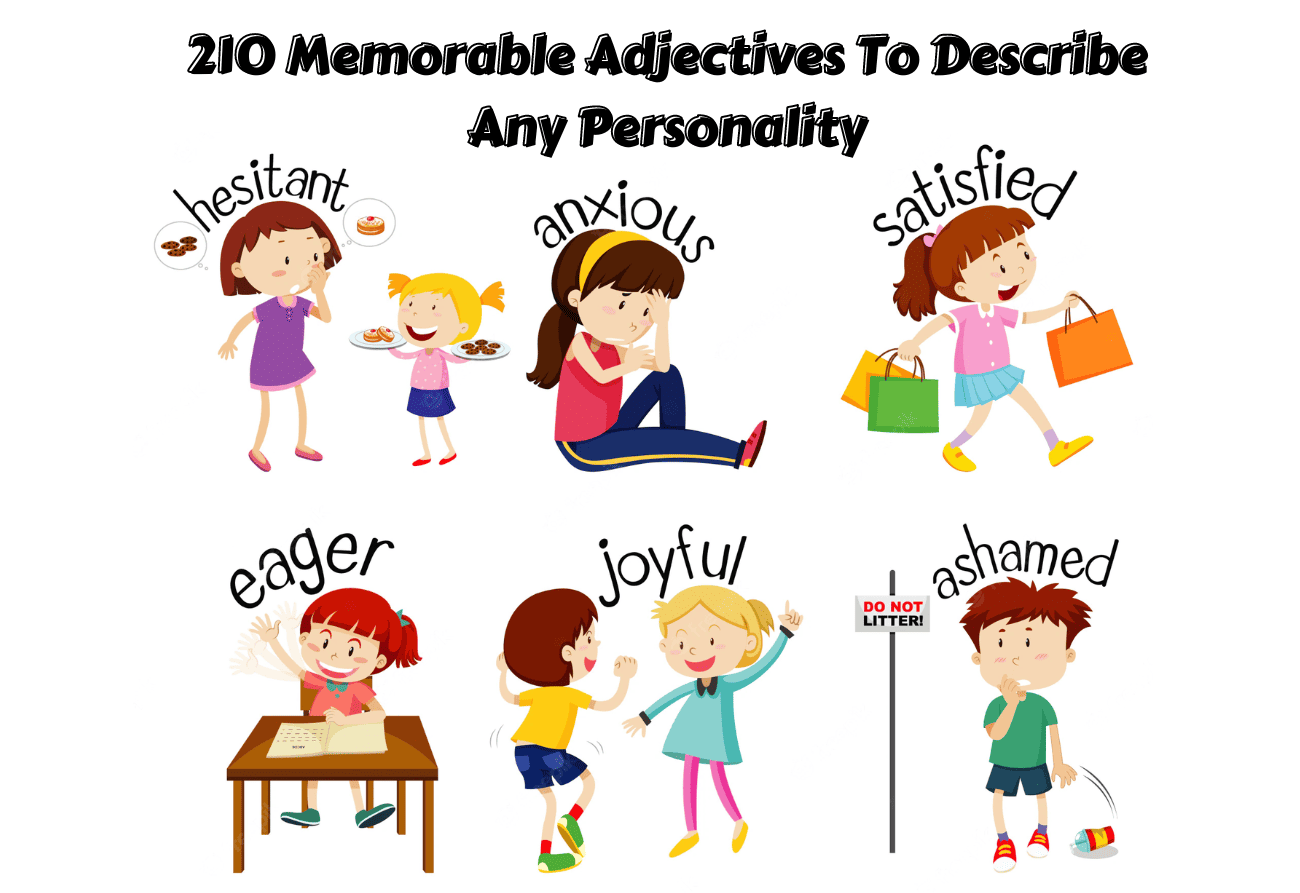
Adjective Describe Person | 197 Adjectives That Start With B – TLWK