When you hear “aesthetics,” the word often feels abstract, yet its meaning in English is rooted in how we perceive beauty, style, and sensory harmony. For experienced hobbyists—whether you’re curating a gallery, designing a room, or refining a personal brand—grasping this concept can turn a good project into a great one. Below we explore common questions, illustrate each point with concrete examples, and provide actionable steps you can apply today.
What does “aesthetics” actually mean in everyday English?
The term denotes the study of beauty and taste, plus the set of visual or sensory principles that make something appealing. In plain language, it’s the “feel” or “look” that resonates with an audience. Recognizing this helps you consciously shape the mood of a project rather than relying on vague intuition.
How can I identify the aesthetic style that fits my hobby?
Start by cataloguing references you’re drawn to—photos, color palettes, textures. Notice recurring elements: minimalist lines, vibrant hues, vintage grain, or natural materials. This pattern becomes your personal aesthetic language.
- Step 1: Create a mood board (digital or paper) with at least 12 images.
- Step 2: Tag each image with adjectives like “clean,” “rustic,” or “playful.”
- Step 3: Group similar tags to reveal dominant themes.
Which visual elements most influence aesthetic perception?
Color, composition, texture, and scale are the four pillars. For instance, a pastel palette can evoke calm, while high-contrast black‑and‑white photography often feels bold. Understanding how each element interacts lets you tweak a design in real time.
How does the “24 different types of aesthetics” chart help me refine my projects?

The chart breaks down popular aesthetics—from “Cottagecore” to “Cyberpunk”—into visual cues and cultural backdrop. Use it as a checklist: identify which categories align with your interests, then borrow specific traits (like soft lighting for Cottagecore) to enrich your own work.
Can a clear aesthetic improve audience engagement?
Yes. Consistent visual language builds recognition and trust. A YouTube channel that sticks to a muted, retro aesthetic, for example, will attract viewers who appreciate that vibe and keep them coming back. Consistency also reduces decision fatigue for your audience, making your content easier to digest.
- Define a core palette (3‑5 colors) and apply it across thumbnails, headers, and social posts.
- Choose one signature texture (paper grain, metallic sheen, etc.) and integrate it subtly.
- Review analytics after two weeks; note any spikes in watch time or follower growth that correlate with aesthetic tweaks.
What practical steps can I take today to sharpen my aesthetic sense?
Pick a current project and apply one of the following micro‑changes:
- Swap a bright background for a neutral tone to highlight foreground details.
- Add a single accent texture—like a wood grain overlay—to create depth.
- Limit your font choices to two complementary families to maintain visual harmony.
By iterating deliberately, you’ll see immediate improvements in how your work feels to others.
When you hear “aesthetics,” the word often feels abstract, yet its meaning in English is rooted in how we perceive beauty, style, and sensory harmony. For experienced hobbyists—whether you’re curating a gallery, designing a room, or refining a personal brand—grasping this concept can turn a good project into a great one. Below we explore common questions, illustrate each point with concrete examples, and provide actionable steps you can apply today.
What does “aesthetics” actually mean in everyday English?
The term denotes the study of beauty and taste, plus the set of visual or sensory principles that make something appealing. In plain language, it’s the “feel” or “look” that resonates with an audience. Recognizing this helps you consciously shape the mood of a project rather than relying on vague intuition.
How can I identify the aesthetic style that fits my hobby?
Start by cataloguing references you’re drawn to—photos, color palettes, textures. Notice recurring elements: minimalist lines, vibrant hues, vintage grain, or natural materials. This pattern becomes your personal aesthetic language.
- Step 1: Create a mood board (digital or paper) with at least 12 images.
- Step 2: Tag each image with adjectives like “clean,” “rustic,” or “playful.”
- Step 3: Group similar tags to reveal dominant themes.
Which visual elements most influence aesthetic perception?
Color, composition, texture, and scale are the four pillars. For instance, a pastel palette can evoke calm, while high-contrast black‑and‑white photography often feels bold. Understanding how each element interacts lets you tweak a design in real time.
How does the “24 different types of aesthetics” chart help me refine my projects?
The chart breaks down popular aesthetics—from “Cottagecore” to “Cyberpunk”—into visual cues and cultural backdrop. Use it as a checklist: identify which categories align with your interests, then borrow specific traits (like soft lighting for Cottagecore) to enrich your own work.
Can a clear aesthetic improve audience engagement?
Yes. Consistent visual language builds recognition and trust. A YouTube channel that sticks to a muted, retro aesthetic, for example, will attract viewers who appreciate that vibe and keep them coming back. Consistency also reduces decision fatigue for your audience, making your content easier to digest.
- Define a core palette (3‑5 colors) and apply it across thumbnails, headers, and social posts.
- Choose one signature texture (paper grain, metallic sheen, etc.) and integrate it subtly.
- Review analytics after two weeks; note any spikes in watch time or follower growth that correlate with aesthetic tweaks.
What practical steps can I take today to sharpen my aesthetic sense?
Pick a current project and apply one of the following micro‑changes:
- Swap a bright background for a neutral tone to highlight foreground details.
- Add a single accent texture—like a wood grain overlay—to create depth.
- Limit your font choices to two complementary families to maintain visual harmony.
By iterating deliberately, you’ll see immediate improvements in how your work feels to others.
What Is The Most Attractive Aesthetic

What Is The Most Attractive Aesthetic
List Of Aesthetic Outfits At Lorenzo Marrs Blog
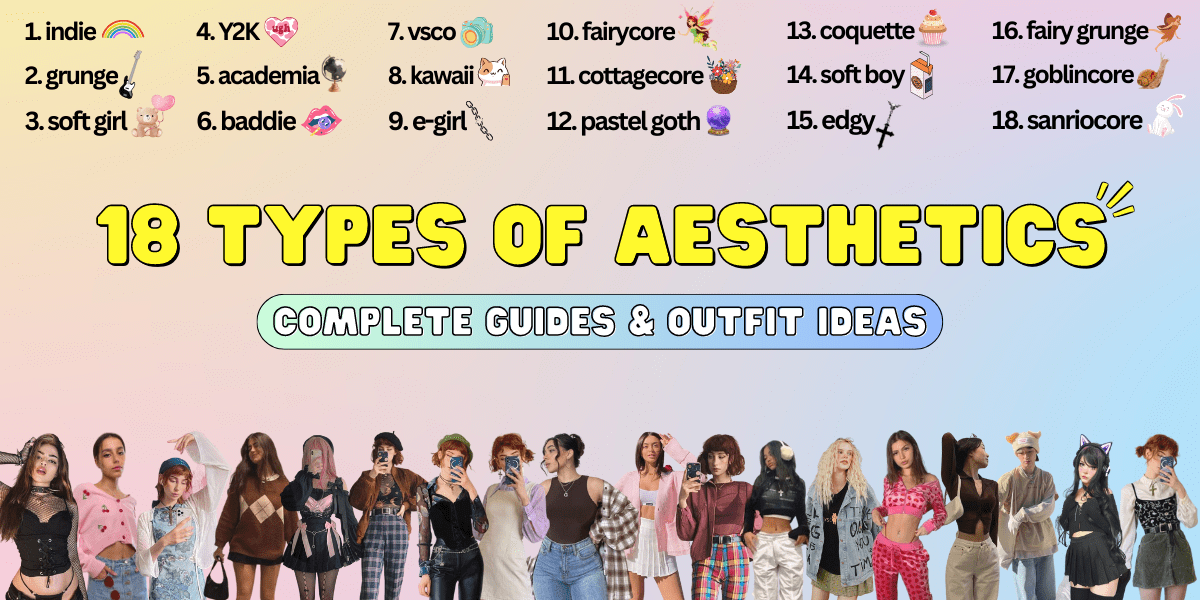
List Of Aesthetic Outfits at Lorenzo Marrs blog
Decoding Art Aesthetics: Understanding The Language Of Visual Art
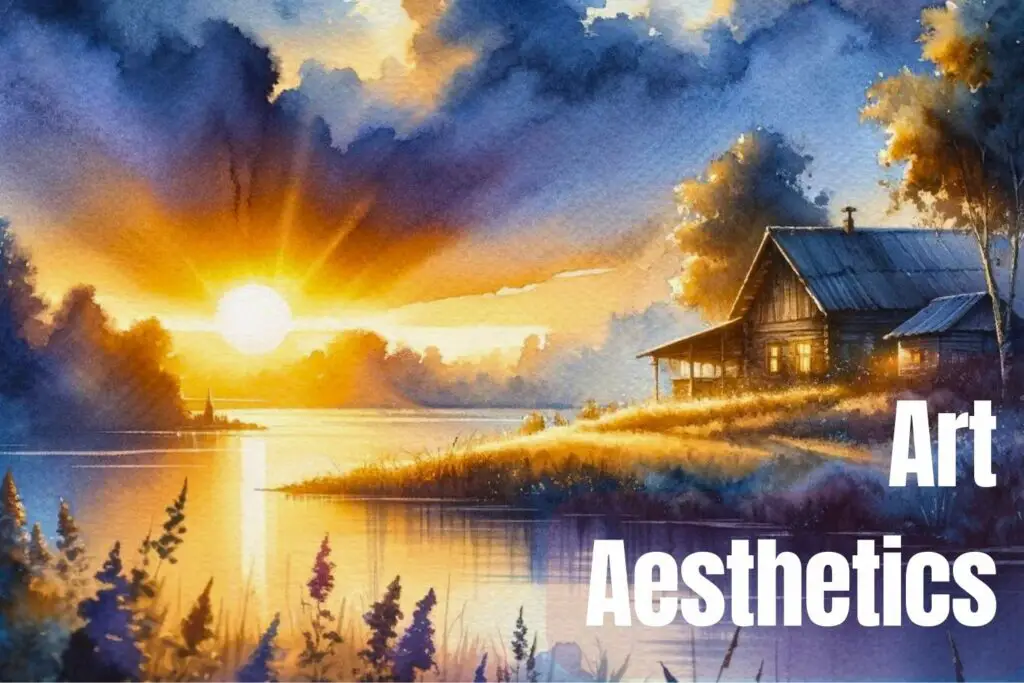
Decoding Art Aesthetics: Understanding the Language of Visual Art
Great Aesthetic Meaning

Great Aesthetic Meaning