When a researcher encounters the term “aesthetic,” the first impulse may be to think of art galleries or design trends. In scholarly contexts, however, “aesthetic” refers to the branch of philosophy that studies the nature of beauty, taste, and the sensory experience of perception. Grasping its meaning equips you to evaluate arguments about visual culture, assess methodological choices, and communicate findings with precision.
What “Aesthetic” Actually Denotes in Philosophical Terms
The word originates from the Greek aisthētikos, meaning “pertaining to sense.” In contemporary usage, an aesthetic analysis examines why certain objects or experiences are judged as beautiful or sublime, focusing on criteria such as harmony, proportion, and emotional resonance. Unlike subjective preferences, aesthetic theory seeks universal principles that can be debated and refined.
Applying Aesthetic Reasoning to Empirical Research
Researchers often must decide whether visual elements—charts, photographs, interfaces—enhance or detract from the validity of their data presentation. An aesthetic approach asks:
- Does the visual layout facilitate clear interpretation?
- Are color choices culturally appropriate and accessible?
- Is the composition free from bias that could mislead the audience?
Answering these questions helps maintain methodological rigor while respecting the audience’s perceptual capacities.
Trade‑offs: Aesthetic Appeal Versus Functional Clarity
Striking a balance between attractiveness and usability is rarely straightforward. Over‑embellished graphics may capture attention but obscure essential details, whereas stark, data‑driven visuals can appear cold and disengaging. The key is to prioritize the research goal:
- Data Integrity First – Ensure that every visual element accurately represents the underlying numbers.
- Guided Simplicity – Use minimalistic design to guide the reader’s eye to the most critical insights.
- Contextual Enhancement – Introduce aesthetic flourishes (e.g., subtle gradients) only when they reinforce, not distract from, the message.
Realistic Expectations: Limits of Aesthetic Influence
Even the most polished visuals cannot compensate for weak methodology or insufficient data. An aesthetic coating may improve readability, but it does not alter statistical significance or theoretical soundness. Researchers should therefore view aesthetic improvements as complementary tools, not substitutes for robust analysis.
Scenario‑Based Checklist for Evaluating Aesthetic Quality
Use the following checklist when preparing a manuscript or presentation:
- Is the font size legible across devices and print formats?
- Do color contrasts meet accessibility standards (e.g., WCAG AA)?
- Are visual metaphors appropriate for the discipline’s conventions?
- Has the layout been reviewed by peers for potential bias?
- Does the overall design align with the target audience’s expectations?
By systematically addressing these points, you can enhance the aesthetic dimension of your work without compromising scholarly standards.
When a researcher encounters the term “aesthetic,” the first impulse may be to think of art galleries or design trends. In scholarly contexts, however, “aesthetic” refers to the branch of philosophy that studies the nature of beauty, taste, and the sensory experience of perception. Grasping its meaning equips you to evaluate arguments about visual culture, assess methodological choices, and communicate findings with precision.
What “Aesthetic” Actually Denotes in Philosophical Terms
The word originates from the Greek aisthētikos, meaning “pertaining to sense.” In contemporary usage, an aesthetic analysis examines why certain objects or experiences are judged as beautiful or sublime, focusing on criteria such as harmony, proportion, and emotional resonance. Unlike subjective preferences, aesthetic theory seeks universal principles that can be debated and refined.
Applying Aesthetic Reasoning to Empirical Research
Researchers often must decide whether visual elements—charts, photographs, interfaces—enhance or detract from the validity of their data presentation. An aesthetic approach asks:
- Does the visual layout facilitate clear interpretation?
- Are color choices culturally appropriate and accessible?
- Is the composition free from bias that could mislead the audience?
Answering these questions helps maintain methodological rigor while respecting the audience’s perceptual capacities.
Trade‑offs: Aesthetic Appeal Versus Functional Clarity
Striking a balance between attractiveness and usability is rarely straightforward. Over‑embellished graphics may capture attention but obscure essential details, whereas stark, data‑driven visuals can appear cold and disengaging. The key is to prioritize the research goal:
- Data Integrity First – Ensure that every visual element accurately represents the underlying numbers.
- Guided Simplicity – Use minimalistic design to guide the reader’s eye to the most critical insights.
- Contextual Enhancement – Introduce aesthetic flourishes (e.g., subtle gradients) only when they reinforce, not distract from, the message.
Realistic Expectations: Limits of Aesthetic Influence
Even the most polished visuals cannot compensate for weak methodology or insufficient data. An aesthetic coating may improve readability, but it does not alter statistical significance or theoretical soundness. Researchers should therefore view aesthetic improvements as complementary tools, not substitutes for robust analysis.
Scenario‑Based Checklist for Evaluating Aesthetic Quality
Use the following checklist when preparing a manuscript or presentation:
- Is the font size legible across devices and print formats?
- Do color contrasts meet accessibility standards (e.g., WCAG AA)?
- Are visual metaphors appropriate for the discipline’s conventions?
- Has the layout been reviewed by peers for potential bias?
- Does the overall design align with the target audience’s expectations?
By systematically addressing these points, you can enhance the aesthetic dimension of your work without compromising scholarly standards.
Does It Matter Which Internet Speed Test You Use?

Does It Matter Which Internet Speed Test You Use?
How Do Internet Speed Tests Work And How Accurate Are They The
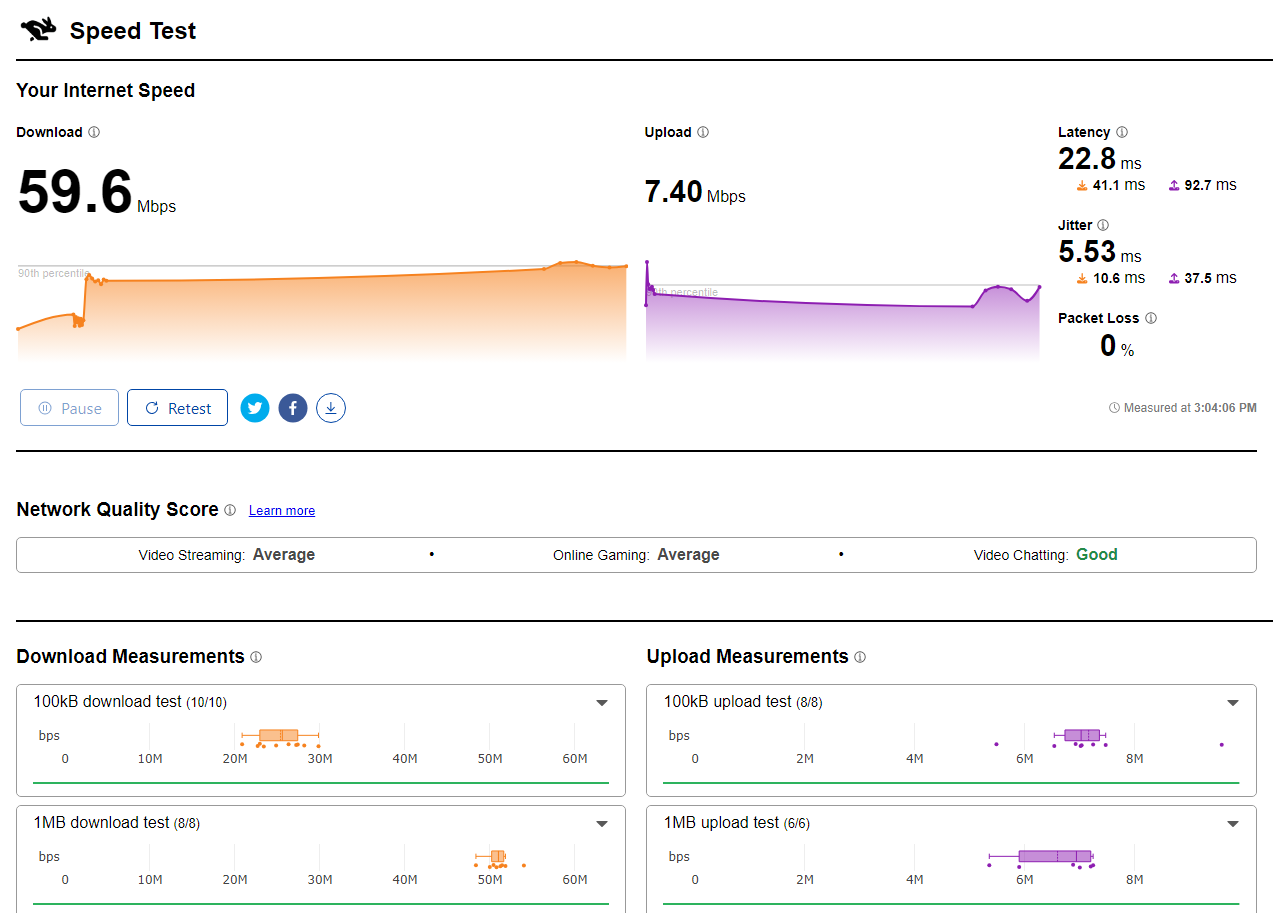
How Do Internet Speed Tests Work And How Accurate Are They The